
PortaPro

In the field

A service day, from the yard to the invoice.

This is the part of the job software usually gets wrong: sites that change between visits, stops in dead zones, units that moved and nobody wrote it down, and paperwork that reaches the office two days after the work did. Here is how PortaPro handles each of those.

Five things have to go right between 6am and the invoice

Not a case study and not a highlight reel. This is the sequence every operator runs, and the specific place PortaPro sits in each step.

  1. 1

    The day is planned before a truck leaves the yard

    Dispatch works from a map, not a whiteboard. The day's stops sit on it color-coded by driver, with each driver's capacity beside them, so a new call gets slotted into the cluster it actually belongs to. Once the day is committed, the route engine sequences it around tank capacity, disposal sites, service windows, and what each truck carries, then pushes the finished plan to every driver's app in one step.

  2. 2

    Drivers work from the phone, with or without a signal

    The whole route loads before the shift starts: stops, site instructions, checklists, and customer details. A driver opens a stop and sees the job number, the notes from the last visit, the service to provide, and a Call button for the site contact. Basements, rural corridors, and dead zones do not stop the work. Completed stops queue on the device and sync on their own when the connection returns.

  3. 3

    Units stay where the map says they are

    A site plan drawn in the office survives about a week of real work. Someone moves two units to the far side of the pour and nobody writes it down. In PortaPro the driver taps the pin, moves it to their GPS position or drags it on satellite, and splits off the units that went somewhere else. The office sees the change and the history behind it: who moved what, how far, and how accurate the reading was.

  4. 4

    Proof leaves the site with the driver

    Each service type carries its own checklist, and the required steps stand between the driver and the Complete button. Photos attach to the service record rather than a camera roll, a signature gets collected where the site wants one, and the position and time are stamped on the record when service starts. When a customer asks whether Saturday's stop happened, the answer is the record, not a driver's memory.

  5. 5

    The office is already billing off finished work

    Completed service records land in the office as drivers finish, so nothing waits for a route sheet to come back on a clipboard. The same photos and checklist answers follow the record onto the customer's portal, the invoice, and the report PDF. When a 28-day cycle closes, one run drafts every invoice it covers, priced off each customer's rate card, and the drafts wait for your review before anything reaches an inbox.

Built for the conditions

The route is the easy part

What actually costs an operator money is everything that happens after the plan is made. A stop runs long. A gate is locked. A customer adds two units by phone at 10am. A driver finishes a site with no bars on the phone and the record has nowhere to go. PortaPro is built around those, not around an ideal day.

Dead zones are normal, not an exception
Routes, checklists, photos, and signatures all work with the phone offline, and everything syncs itself when the truck comes back into coverage. Drivers never wait on a spinner at a site, and nothing gets re-keyed at the end of the day.
Plans change after the trucks roll
Stops that did not happen and issues flagged from the road collect in one Needs attention list. Dispatch reschedules or reassigns from there, one at a time or in bulk, and the update reaches the driver's app without disturbing the rest of the day.
One device per truck, not per driver
A shared tablet signs in as the truck. Drivers tap their name and a PIN to clock in, and every stop and punch is attributed to the person who did the work rather than to the device sitting on the dash.
The office sees it while it happens
Job status comes back from start through completion, so nobody calls a driver to ask where things stand. The same record the office is watching is the one the customer can open in their portal afterward.

The same day, three very different jobs

A construction route, an event weekend, and a municipal contract fail in different places. What follows is where each one actually goes wrong.

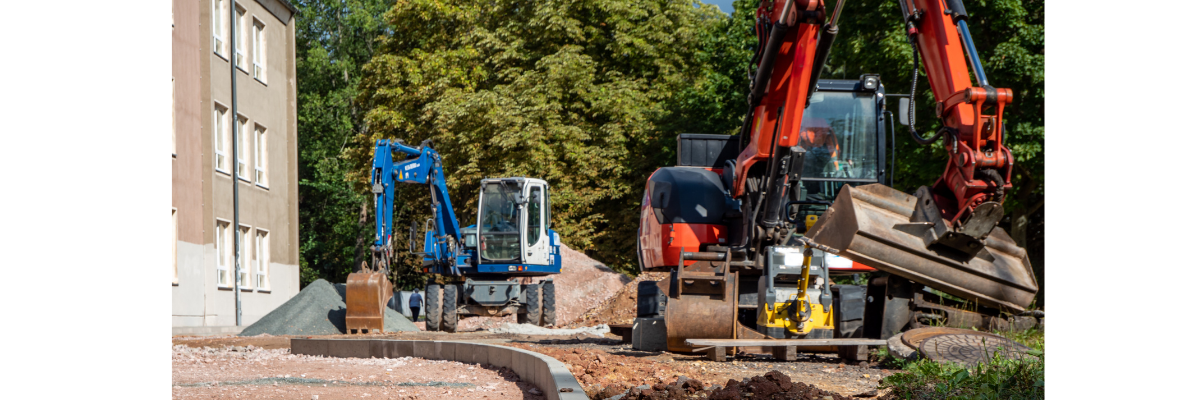
Excavators and site work in progress on an active construction project

Construction and job sites

A job site is never the same shape twice. Units get moved as the pour progresses, the gate code changes, a foreman calls for two more on Thursday, and the site that was mud in March is a paved lot by June. The office plan goes stale quietly, and the first anyone hears about it is a driver on the radio asking where the units went.

Unit pins fix that at the source: the driver moves the pin from the site, the office sees it, and next week's route is built from where the units actually are. Service windows and gate notes ride along on the stop, so a locked site is a known constraint rather than a wasted drive.
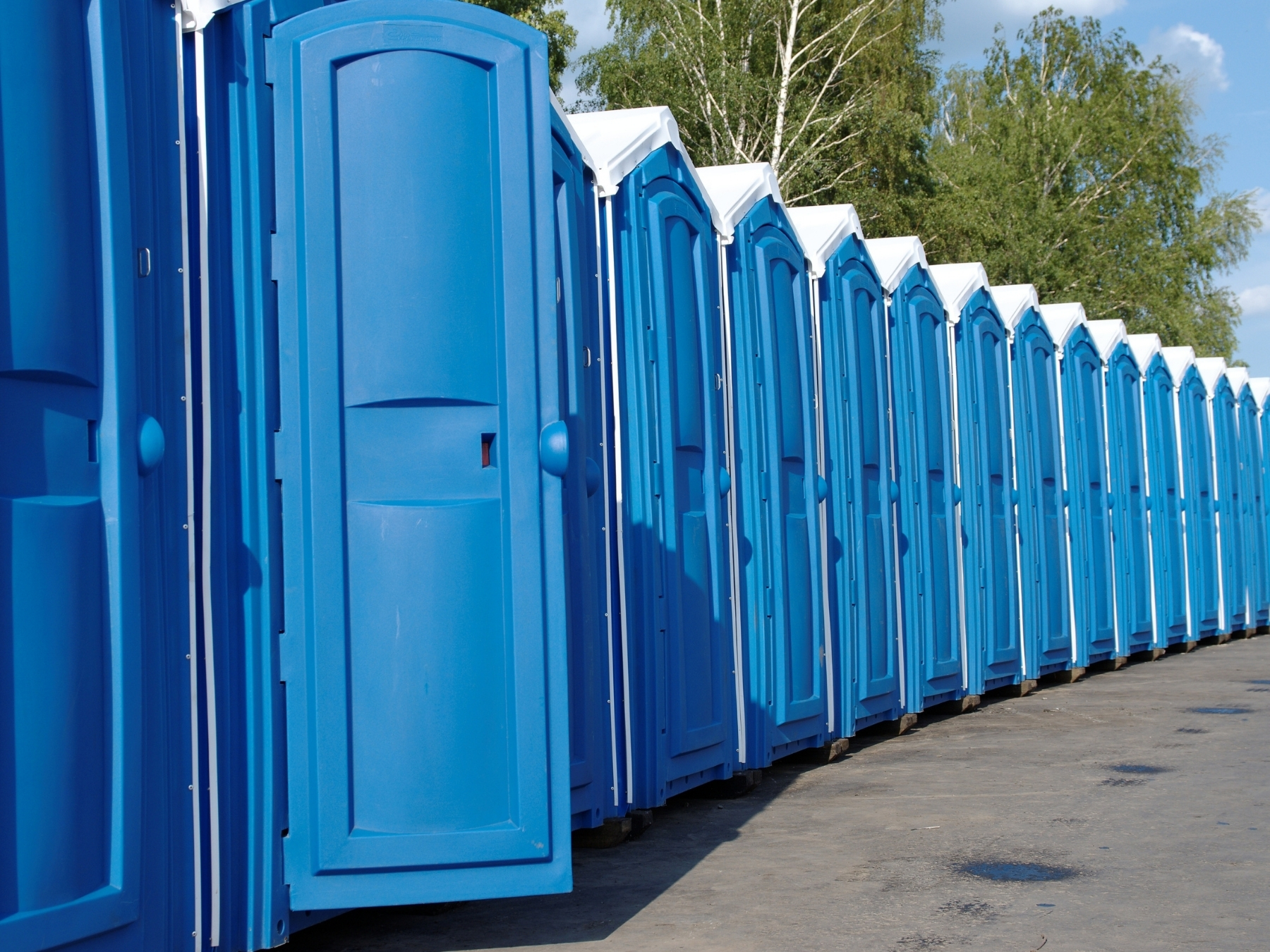
A long bank of portable restrooms lined up along an event footprint

Festivals and events

Event work compresses a month of operations into a weekend, usually with temporary help who have never seen your route sheet. The turnaround between the last delivery and gates opening is measured in hours, and a bank that was missed at 2pm becomes a complaint by 4pm.

Deep-clean checklists give seasonal crews a fixed sequence to follow, with the required steps enforced on the phone instead of in a briefing. Placements are mapped by bank so a new hand can find them, and the photos taken during the event are what the venue sees afterward.

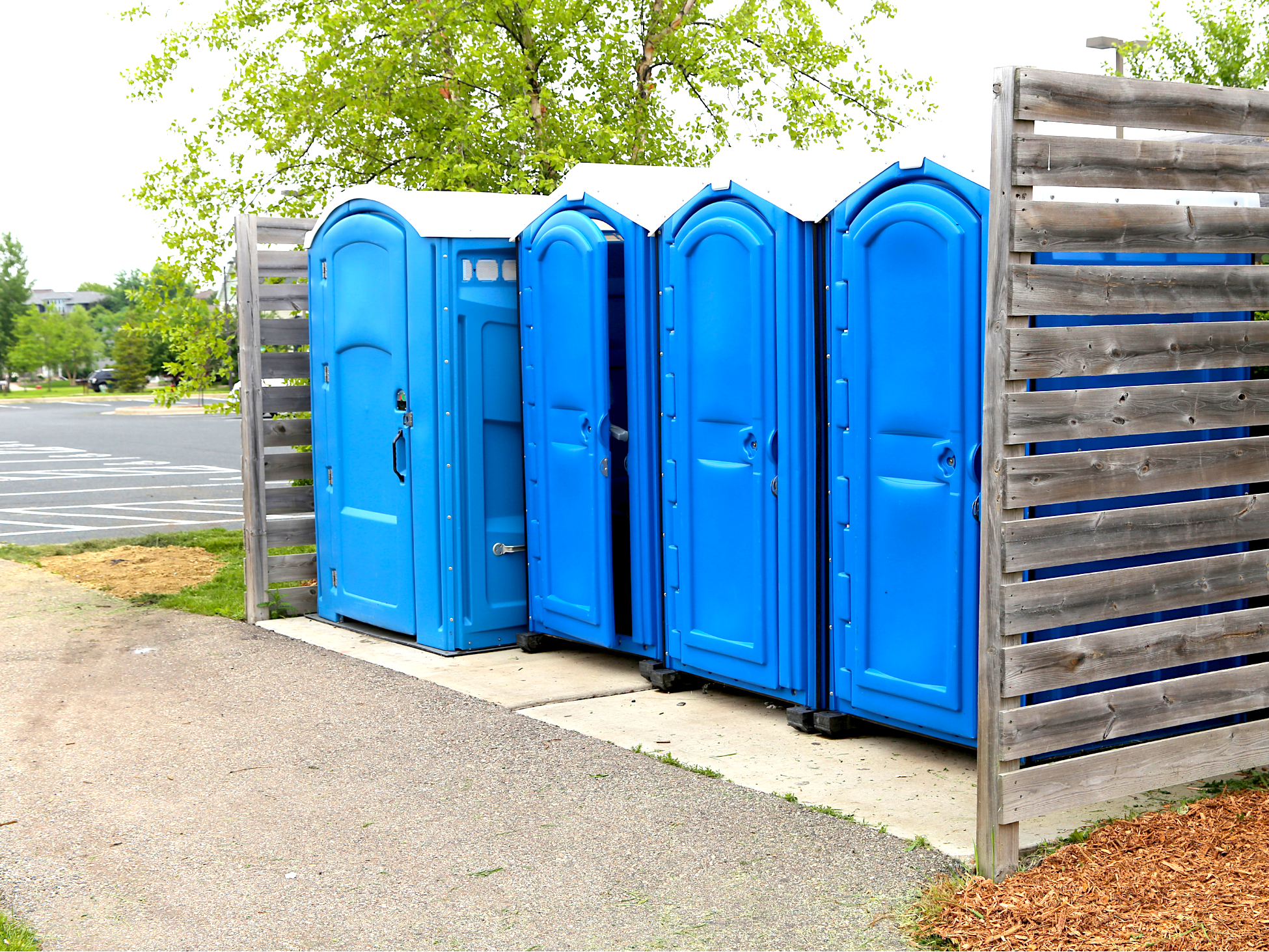
Portable restrooms inside a wooden screen enclosure beside a public park lot

Municipal and public contracts

Public work is won on price and kept on documentation. Someone will eventually ask you to prove a park restroom was serviced on a specific date, and a route sheet in a filing cabinet is a weak answer to a procurement officer.

Every stop carries its own timestamped record with photos and checklist answers, and a purchase order number entered once on the customer prints on the invoice PDF, the remittance stub, and the invoice email. Municipalities that need the invoice before the service period get advance billing as a per-customer setting.

The same field workflow covers the work that sits next to portable restrooms: septic and grease service, roll-off containers, and consumable restocking. Each gets its own checklist template and its own billing pattern on the rate card.

A service day before and after

Same route, same trucks, same drivers. What moves is where the information lives.

The day's plan

Route sheets printed at 6am. Any change after that is a phone call to a driver

PortaPro:The plan is pushed to every driver's app, and a change reaches them the same way

Where a unit sits

A site plan drawn once, then corrected from memory when a driver asks

PortaPro:Pins moved from the site by the driver, with the history of who moved what and how far

No signal

The driver writes it down and enters it later, or it never gets entered

PortaPro:The route, checklists, and photos work offline and sync when the connection returns

A missed stop

Surfaces when the customer calls

PortaPro:Lands in a Needs attention list, where dispatch reschedules or reassigns it

Proof of service

The driver's word against the customer's

PortaPro:Photos stamped with the time and GPS, checklist answers, and a signature on a record the customer can open themselves, sent to them the moment the stop closes if you want

Getting paid for it

Invoices built by cross-referencing route sheets against a price list

PortaPro:Completed records reach the office as work finishes, and cycle invoices draft from the rate card

Questions operators ask first

See it against your own routes.

Bring a real service day and we will run it through PortaPro on the call.

Start free trial

Takes less than 2 minutes. No commitment required. 7-day free trial.